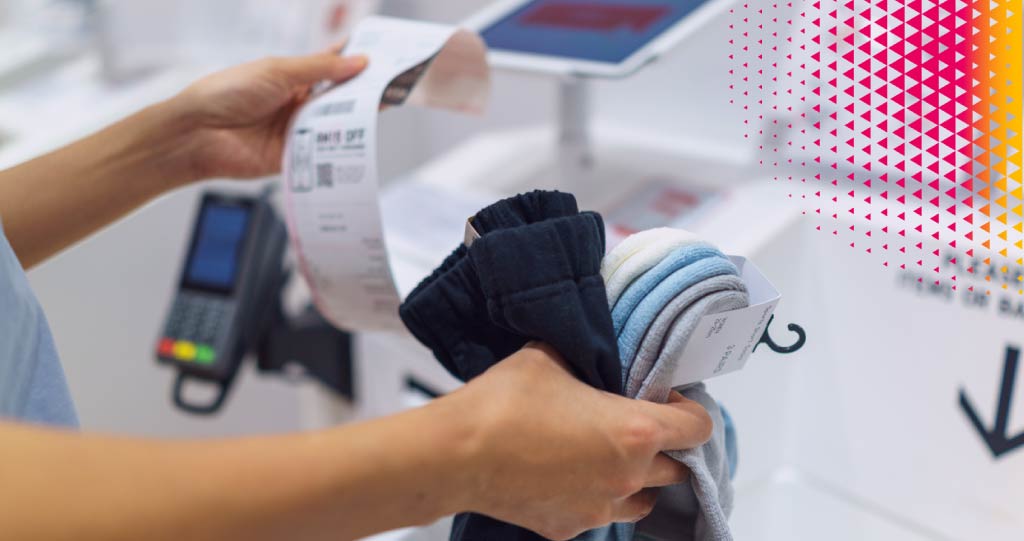


Mobile integration: the new standard for seamless commerce
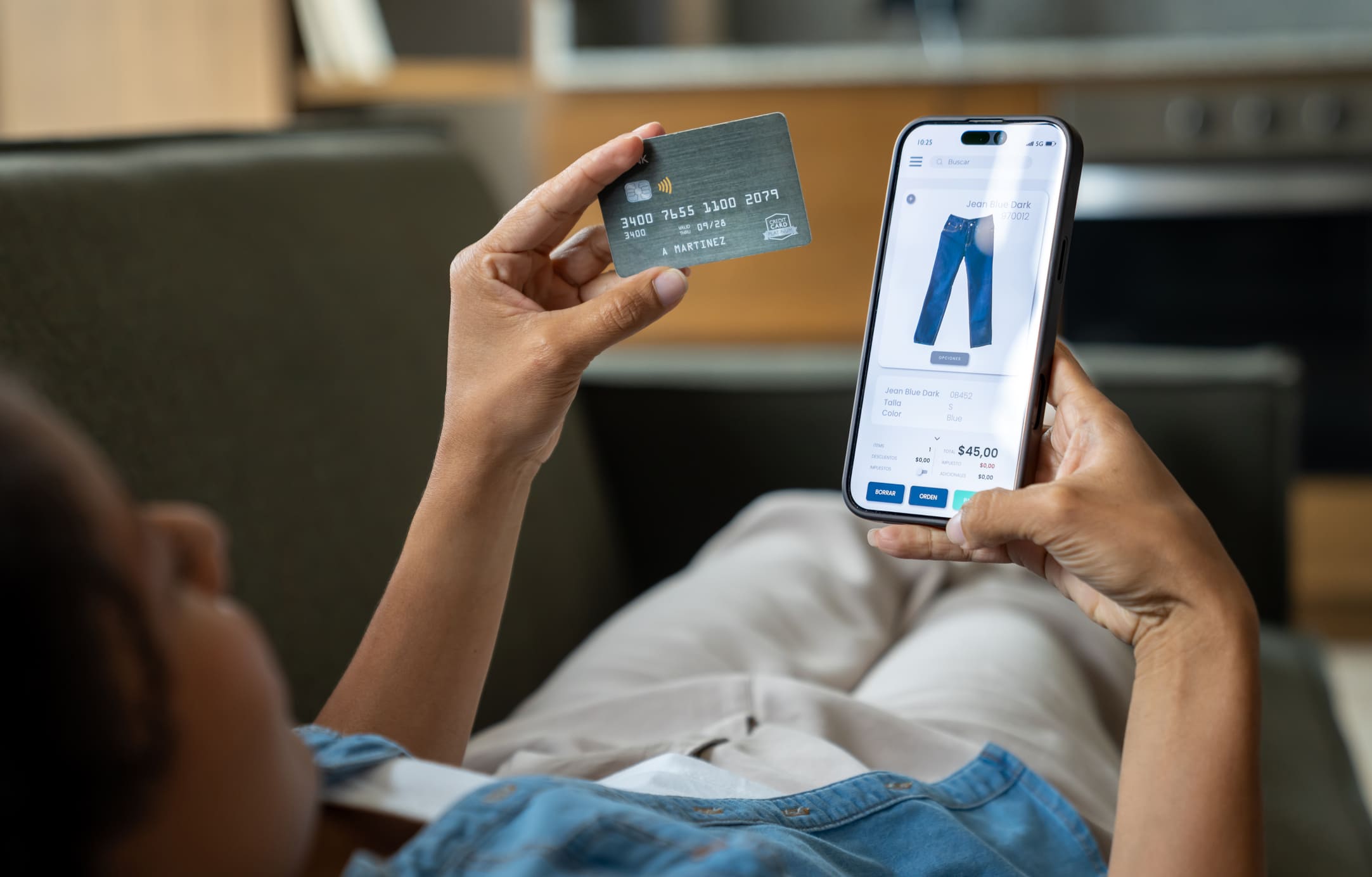
Tapping out shipping details on a cramped screen and fumbling for a credit card number… for a long time, mobile shopping was nothing short of a chore. Today, however, hailing a ride via Uber or ordering a coffee through the Starbucks app happens in just two taps. What exactly has shifted to make this possible?
This level of convenience is no accident. It is the direct result of a deliberate strategy being adopted by businesses on a massive scale: mobile integration. Think of it as an invisible conductor, ensuring that every application and piece of data on your smartphone plays in perfect harmony, without a single off-note.
The ultimate goal is to achieve seamless commerce a purchasing journey that flows as effortlessly as water. By stripping away obstacles and repetitive tasks, mobile integration transforms a once-frustrating mobile shopping experience into a moment of ease and delight, establishing the new benchmark that modern consumers have come to expect.
What is mobile integration? The secret behind apps that “talk” to each other
Imagine spotting a pair of shoes on your office desktop. Later, while on the bus, you open the brand’s mobile app and find those very same shoes waiting patiently in your cart as if by magic. This isn’t a coincidence; it is mobile integration in action. Simply put, it is the technology that enables all your devices and applications to communicate and share data, ensuring you never lose your place in the process.
The core purpose of this synchronization is to simplify your life. The days of starting from scratch every time you switch devices are over. Through these mobile commerce strategies, your favorite items, shipping addresses, and loyalty program details are stored and accessible across all platforms. The objective is to deliver a seamless experience, where moving from a tablet to a smartphone feels as natural as turning a page.
This level of fluidity evolves the customer experience into true unified commerce. Imagine adding an item to your wishlist on an app, and then receiving a notification as you walk into a store, letting you know it’s in stock just a few feet away. Mobile integration blurs the lines between digital shopping and the physical world, creating a single, cohesive experience tailored to you.
But how does your phone actually know what you were browsing on your computer? Behind this masterfully orchestrated communication lies a vital technical component a quiet, efficient messenger. This component ensures the right data reaches the right place at precisely the right time.
The API: the “secret messenger” connecting everything
That indispensable messenger is the API, or Application Programming Interface. To visualize how it works, imagine yourself at a restaurant. You don’t walk into the kitchen to prepare your own meal; you browse the menu and give your order to a waiter. The API is that waiter. It takes your request (like “show me blue shoes in size 42”), passes it to the company’s internal system (the kitchen), and brings back the result (photos and pricing) without you ever needing to understand the complexity of the “recipe.”
The API functions as a secure translator and intermediary between two distinct applications. It allows one program to leverage the features of another, but in a strictly controlled manner. The app “requesting” the service never gains full access to the other’s entire system; it only receives the specific data it is authorized to ask for much like a menu restricts your choices to what the kitchen can provide.
Let’s look at a real-world example you likely use daily: a ride-hailing app like Uber. The interactive map that pops up wasn’t built by Uber. Instead, the Uber app utilizes the Google Maps API. It asks the Google “waiter”: “Show me a map of this neighborhood and calculate the fastest route.” Google’s API then delivers the visual data and directions, which Uber seamlessly integrates into its own interface.
This invisible collaboration, powered by APIs, is what makes such a rich user experience possible. Businesses can assemble the best available services to provide powerful features, leading to much more sophisticated mobile personalization. For you, the result is a fluid, comprehensive app that appears to know and do everything with zero effort.
Saving time and reducing frustration: concrete benefits for you
In practical terms, what is the point of all this invisible machinery? The goal is simple: to make your life easier and elevate the mobile shopping experience. The first barrier it removes is often the most annoying: the payment process. Gone are the days of digging out your credit card and entering 16 digits, an expiry date, and a security code on a tiny screen. This is where digital wallets like Apple Pay and Google Pay step in. By authorizing an app to use these services, you transform a tedious chore into a secure mobile payment that’s validated with a single tap or your fingerprint
Beyond payments, this intelligent integration tackles every potential point of friction. Have you ever abandoned a purchase because you couldn’t be bothered to fill out a lengthy shipping form? Mobile integration allows an app to remember your preferences and automatically pre-fill your name and address. Not only does this save precious time, but it also eliminates input errors that could lead to delivery delays. It is an incredibly effective way to reduce friction across the omnichannel journey.
The goal is to turn a potential chore into a delightful experience. The primary benefits for you include:
- One-click payment: Your phone becomes your wallet, eliminating the need to search for a physical card.
- Autofilled information: Your addresses are displayed automatically, removing the risk of errors.
- Personalized experience: The app anticipates your needs and suggests products that actually matter to you.
However, this fluidity no longer stops at your phone screen. From the initial click to the physical store, your mobile device is rapidly becoming your personal shopping assistant.
From click to store: when mobile becomes your personal shopping assistant
Mobile integration is steadily erasing the line between online shopping and the in-store experience. In the past, these were two distinct worlds. Today, your phone serves as a bridge, allowing you to start a task on your sofa and finish it inside a brick-and-mortar shop. This connection between the digital and physical realms is at the heart of modern mobile commerce strategies designed to make your journey simple and consistent, no matter where you are.
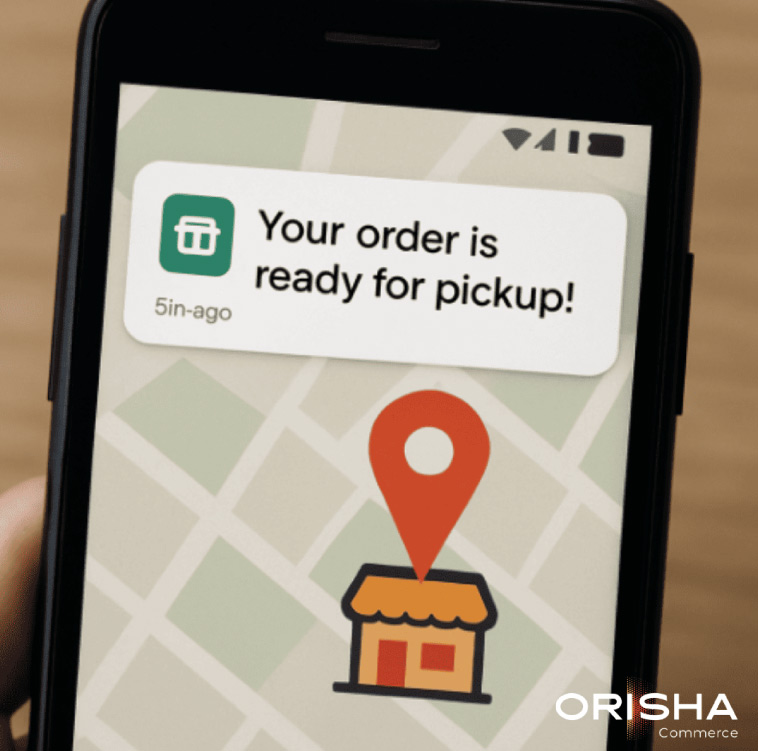
The most prominent example is undoubtedly Click & Collect. You spot an item online, but you need it immediately or want to skip the shipping fees. With a few taps, you can check its availability at the nearest store and reserve it. The system knows, in real-time, whether the product is actually on the shelf a feat made possible by inventory management solutions that link the website and physical locations. Once your order is ready, a notification on your mobile lets you know it’s time for pickup.
But this interaction goes far beyond simple reservations. Imagine walking into your favorite apparel store and instantly receiving a personalized promotion on your phone for items you were just browsing online. Or, consider scanning a product’s barcode with your camera to access customer reviews, demo videos, or to see if it’s available in a different color. Your phone becomes a genuine assistant that enriches every step of your visit.
By merging these experiences, companies aim to create a seamless experience where there is no longer a disconnect between discovering a product online and holding it in your hands. This fluidity relies on our growing trust in smartphones to manage our purchases and data. However, entrusting so much information to our devices raises a valid question: is paying with your phone truly secure?
Is paying with your phone truly secure?
It’s a natural concern, but the reality is often counter-intuitive: mobile payment is actually one of the most secure transaction methods available today. When you use digital wallets like Apple Pay or Google Pay, your actual credit card number is never shared with the merchant. Instead, the system generates a single-use digital “token” for each purchase. This encrypted code, which represents your card only for that specific transaction, becomes instantly useless once the payment is complete. Even if it were intercepted, it could neither be reused nor traced back to your sensitive banking details.
Beyond this technological safeguard, consider physical security. Losing a physical wallet leaves your cards wide open to fraudulent use. Conversely, if you lose your phone, a thief is met with an almost impenetrable barrier: your face, your fingerprint, or your passcode. Without this unique validation that belongs only to you, making a payment is impossible. This layer of protection makes secure mobile payment for e-commerce and brick-and-mortar retail far more robust than carrying traditional plastic cards.
By pairing invisible digital protection with strong personal authentication, e-commerce security becomes a genuine catalyst for trust. Once this solid foundation is in place, businesses can go even further to enhance the customer experience. Now that transactions are both simple and ultra-secure, the next challenge is making them intelligent and unique to every individual. This is where artificial intelligence steps in to provide a tailor-made journey: an experience designed specifically for you.
Your experience and yours alone: AI-powered personalization
Have you ever felt like Spotify knows your musical tastes better than you do? Or that Netflix suggests the exact movie you were craving? This intuition isn’t a fluke; it’s the power of artificial intelligence (AI). AI is the true engine behind modern personalization. Its role is to act as an invisible personal assistant that learns from your behavior to anticipate your desires.
In practice, AI discreetly analyzes your habits: the products you browse, the time you spend on a specific page, your past purchases, or even the items you add to your cart and later remove. Using these thousands of micro-data points, it constructs a profile of your preferences. The company’s objective is to make your search more efficient and intuitive, which directly supports conversion rate optimization. By showing you exactly what you are likely to enjoy, it prevents you from getting lost in an endless product catalog.
Far from being a mere gimmick, this level of personalization is a high-value service. In a world saturated with information, AI acts as an intelligent filter that presents you with a tailor-made storefront. Modern mobile site design best practices are no longer just about functionality; they have become predictive. They transform a generic shopping experience into a personal conversation between you and the brand. So, as a savvy consumer, what should you take away from this revolution?

What seemed like magic or mere coincidence just yesterday now has a name. You now understand that behind an app that makes your life easier, there is no luck only a calculated strategy: mobile integration. You are now equipped to decode why some experiences feel so effortless while others remain deeply frustrating.
With this fresh perspective, you are no longer just a user, but a savvy observer. You are capable of identifying the specific elements that create a fluid shopping experience and accurately judging the quality of a mobile customer journey.
The next time an app greets you by name or suggests your usual order in a single click, smile. You’ll know it’s not a magic trick, but the result of successful mobile integration designed specifically for you.
This level of fluidity is no longer the exception; it is the new expectation. By recognizing it, you gain a deeper understanding of the digital landscape you inhabit and become a more conscious participant in the technology that shapes your daily life.
FAQ
What exactly is mobile integration?
Mobile integration is the technology that allows different apps and devices to “talk” to each other. It’s what lets you start a cart on your computer and find it intact on your smartphone, creating a seamless experience synchronized in real-time.
What is the role of an API in mobile commerce?
An API (Application Programming Interface) acts as a secure messenger. It allows one app to use another’s services without needing to know the technical complexity. For example, the Google Maps API allows Uber to display maps and calculate your route.
Why is mobile payment considered safer than a credit card?
Contrary to popular belief, smartphone payments are ultra-secure thanks to tokenization: your real card number is never sent to the merchant. Additionally, biometric validation (fingerprint or facial recognition) provides a physical barrier that a plastic card lacks.
How does mobile integration reduce purchase "friction"?
It removes hurdles that cause customers to abandon purchases, notably through digital wallets (Apple/Google Pay) for one-click payments and automatic pre-filling of shipping forms. Less effort for the customer means better conversion rate optimization for the merchant.
How does mobile become a shopping assistant in physical stores?
Mobile integration creates a bridge between the web and the shop. It facilitates Click & Collect, allows customers to scan products for reviews on the shelf, or lets them receive personalized promotions on their phones as soon as they enter a point of sale.