

Omnichannel strategy and unified commerce: The Future of connected retail
As the retail sector undergoes rapid transformation, delivering a seamless customer journey across all channels is no longer optional; it is a necessity. However, while the traditional omnichannel approach is reaching its limits, unified commerce is emerging as the new cornerstone of a successful customer experience.
Introduction: unified Commerce, the retailer's essential
Technological innovation, shifting consumer expectations, intensifying competition, and mounting logistical and environmental pressures are reshaping the landscape. Driven by these powerful transformative forces, the retail sector must adapt to meet several critical challenges:
- Hyper-connected, discerning customers who constantly compare prices and demand unique brand experiences.
- Increasingly hybrid customer journeys that seamlessly blend online research with in-store visits.
- Shifting consumption habits, exemplified by the surging popularity of the second-hand market.
This is merely a snapshot of the hurdles retail companies face. To navigate these shifts, stores are digitizing their operations, transforming physical locations into connected hubs designed to enrich the overall customer experience.
Key Figures
- In 2024, e-commerce in France generated €175.3 billion in revenue across 2.6 billion transactions. By 2026, revenue is projected to exceed €200 billion.
- 53% of French consumers now conduct online research before making an in-store purchase.
- According to a 2024 study, 72% of French people have purchased a second-hand product in the last 12 months.

While streamlining the customer journey by integrating sales channels is critical today, the concept is not new. Retailers have gradually evolved their strategies, moving first to a multichannel approach and subsequently to an omnichannel one.
- Multichannel involves selling via different channels such as physical points of sale, e-commerce sites, or mobile apps. However, these channels generally operate independently, without synergy.
- Omnichannel goes further by interconnecting all channels. It aims to harmonize the different touchpoints with the brand to offer a personalized customer experience and improve satisfaction. Theoretically, this approach allows the consumer to buy the product of their choice, wherever and whenever they want, limiting friction as much as possible.
In practice, however, omnichannel often falls short of delivering a truly fluid and consistent experience throughout the entire buying journey. Gaps frequently remain between touchpoints, whether the customer is engaging via a physical store, an online shop, or a virtual assistant.
Chapter 1: From multichannel to omnichannel
1. Multichannel, cross-channel, omnichannel: what are the differences?
Multichannel represents the first stage of retail digitization. While a brand may be present across multiple touchpoints stores, e-commerce sites, social media, and email each operates in a silo, lacking genuine connectivity.
Cross-channel takes this a step further by building bridges between these silos. Journeys become more fluid; a customer might buy online and pick up in-store (click & collect), reserve an item via the website after receiving an email campaign, or redeem an SMS promotion directly at the point of sale.
Omnichannel represents the culmination of this evolution, where all channels are fully integrated to deliver a consistent experience. Customer data flows in real-time between digital and physical environments, enabling personalized interactions and eliminating friction within the purchasing journey.
In short: Multichannel is about presence; cross-channel is about complementarity; and omnichannel is about total integration a strategy centered on customer experience and powered by unified commerce.

Meeting modern consumer expectations with a complete, personalized, and consistent experience across all channels is a significant challenge. However, with unified commerce, it is entirely achievable.
Unlike a standard omnichannel approach, which focuses on consistency between sales channels, unified commerce aims to interconnect every component of the enterprise. From browsing and purchasing to fulfillment and delivery, every step is integrated into a seamless, fluid customer journey.
Other advantages of unified commerce:
- This interconnection provides a holistic view of activity, customers, and inventory.
- It facilitates management, improves performance, and enables simple, consistent purchasing journeys adapted to each customer.
Result: Higher satisfaction, increased loyalty, and sustainable revenue growth.
But while unified commerce offers undeniable assets, the question remains: how do you deploy it concretely to exploit its full potential? That is what we invite you to discover in this complete guide.
Chapter 2: The fundamentals of unified commerce
Unified commerce involves integrating all sales channels into a single ecosystem to provide a continuous, personalized, and consistent shopping experience.
Born from the growing consumer demand for simplicity and fluidity, it represents the most advanced stage of retail evolution. Unified commerce pushes the boundaries of omnichannel for several reasons:
- It truly places the customer at the center. From search to order, from payment to delivery, and after-sales service, every step is connected and designed to eliminate any disruption.
- It relies on a single, centralized, real-time platform capable of converging all operations from click & collect and store-to-home delivery to loyalty programs and inventory management.
- It breaks down organizational silos and harmonizes both sales channels and the retailer’s internal processes.
In summary, unified commerce creates a homogeneous, fluid, and personalized customer experience, while strengthening the company’s operational performance.
Solutions for the ultimate unified commerce experience
Orisha Commerce designs B2C, D2C, and B2B unified commerce SaaS solutions used across more than 60,000 touchpoints in over 100 countries.
2. The 3 pillars of Unified commerce
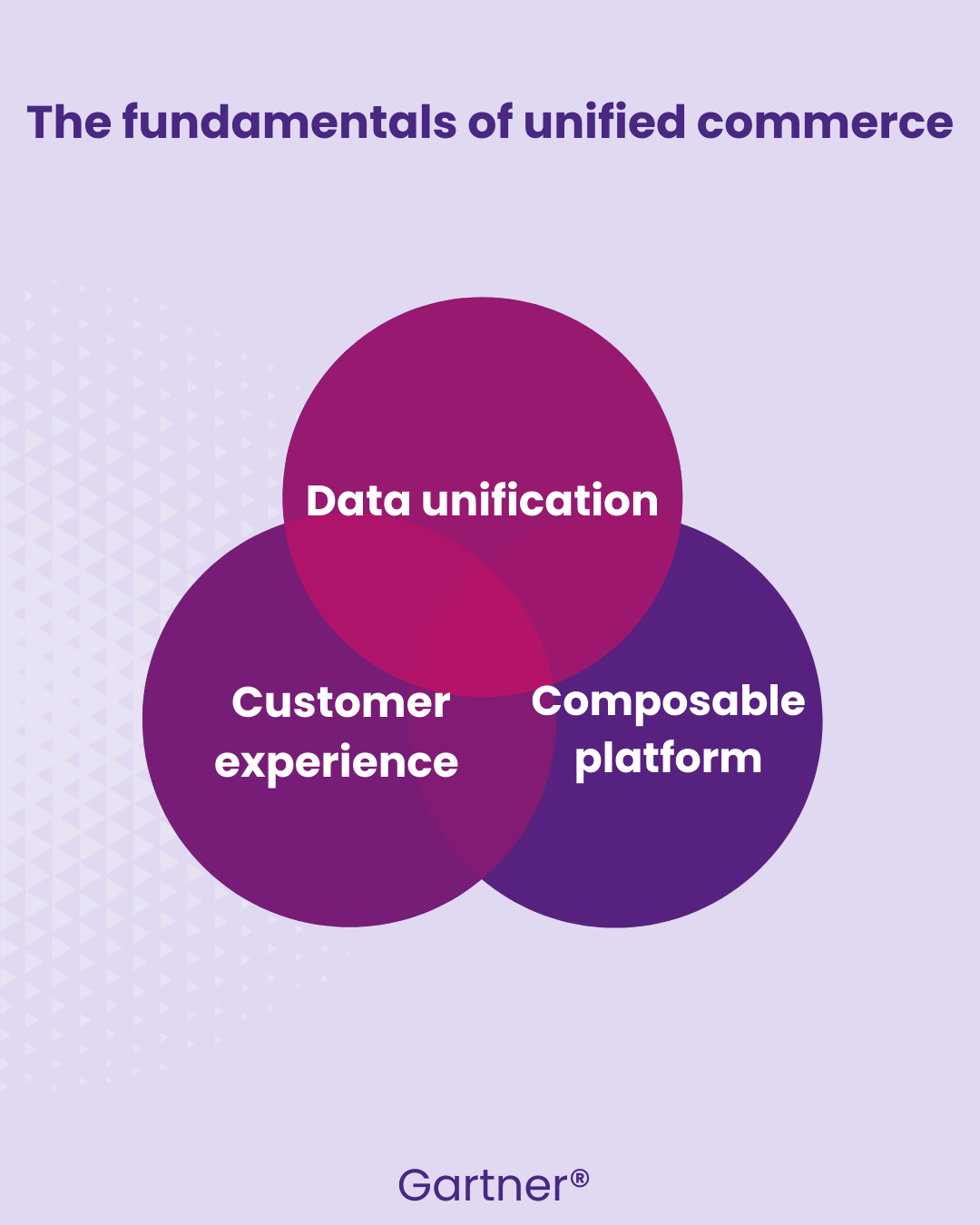
According to Gartner, the success of a unified commerce strategy rests on three essential pillars.
To ensure a truly integrated experience, retailers must harmonize their technology stack by connecting platforms, applications, and internal systems. This consolidation provides a holistic view of the business, enabling optimized management and the delivery of personalized offers.
While customer experience is a key differentiator, the employee experience is equally crucial in unified commerce. In-store teams must have access to real-time information regarding products, inventory, and customer profiles to serve shoppers effectively. Furthermore, process automation helps free up time for teams to focus on the quality of customer relations.
A modular platform offers the flexibility needed to adapt quickly to market changes and consumer expectations. It allows for personalized customer journeys while effectively supporting employees in their roles.
Chapter 3: From classic retailer to omnichannel
1. The digital transformation of retailers
Digital transformation has become an imperative for retail brands. Faced with hyper-connected, demanding consumers, the traditional retail model centered solely on physical stores is no longer sufficient.
Adopting a digital approach means deeply rethinking processes: integrating e-commerce tools, digitizing checkout, implementing real-time inventory management solutions, and developing enriched customer experiences (click & collect, e-reservation, ship-from-store).
The true challenge is not merely technological, but organizational and strategic. Teams must learn to collaborate in new ways, breaking down the traditional silos between commerce, marketing, logistics, and IT.
In summary: Digital transformation is the foundation that allows retailers to move from a traditional model to an integrated omnichannel strategy, centered on customer experience and supported by unified commerce.

Retail is evolving rapidly, driven by customers who switch effortlessly between channels. To remain competitive, retailers must demonstrate agility, the ability to quickly adapt offers, purchasing journeys, and operations to meet shifting expectations.
This agility relies on three major levers:
- Technological: Adopting flexible unified commerce platforms capable of integrating new channels or services (mobile payment, self-checkout, marketplaces, etc.).
- Organizational: De-siloing teams and establishing a culture of continuous improvement, oriented towards customer experience.
- Operational: Adjusting inventory management, logistics, and pricing in real-time to respond to market changes.
Agility is not just a question of speed. It is the ability to anticipate emerging trends, test new practices, and quickly deploy solutions that strengthen customer satisfaction and economic performance.
Before pivoting toward unified commerce, the first step is to audit your current infrastructure to identify both strengths and areas for improvement.
Implementing a unified commerce strategy requires deep transformation, particularly regarding tool interoperability, which is often cited as one of the primary challenges in retail today. Indeed, your system must be able to synchronize all information in real-time to ensure journey fluidity.
A comprehensive audit of existing systems is essential to understand how they interact and to identify potential friction points. This evaluation should also determine whether your current tools are compatible with a unified commerce solution.
SaaS platform: the ideal solution?
When it comes to unified commerce, SaaS (Software as a Service) solutions offer numerous advantages:
- Rapid deployment without heavy hardware investment.
- Guaranteed real-time data updates and fluid interconnection between systems.
- Integration of advanced features, such as AI, to anticipate trends and analyze purchasing behaviors.
During this preparatory phase, analyzing the customer journey is essential. This process helps identify strategic touchpoints and guides the necessary improvements. Collecting and analyzing consumer data thus offers valuable insights to personalize the experience.
Finally, the success of the transition relies on close collaboration between different teams (marketing, logistics, inventory management, etc.). Internal processes must be rethought, and employees (especially in-store) must be trained on new tools to adopt a resolutely digital approach.
A successful transition requires defining clear, measurable objectives. Start by clarifying your value proposition: what you offer, why your company is unique, and exactly who your target audience is.
Next, set precise goals, whether they concern revenue growth, customer satisfaction, time savings, or operational efficiency. These objectives must be quantified, dated, and aligned with the company’s global mission.
It is then preferable to articulate your roadmap around two time horizons:
- Short-term (3 to 24 months) for immediate actions and initial expected results.
- Long-term (12 to 36 months) for consolidation and large-scale deployment.
Key steps of a unified commerce project
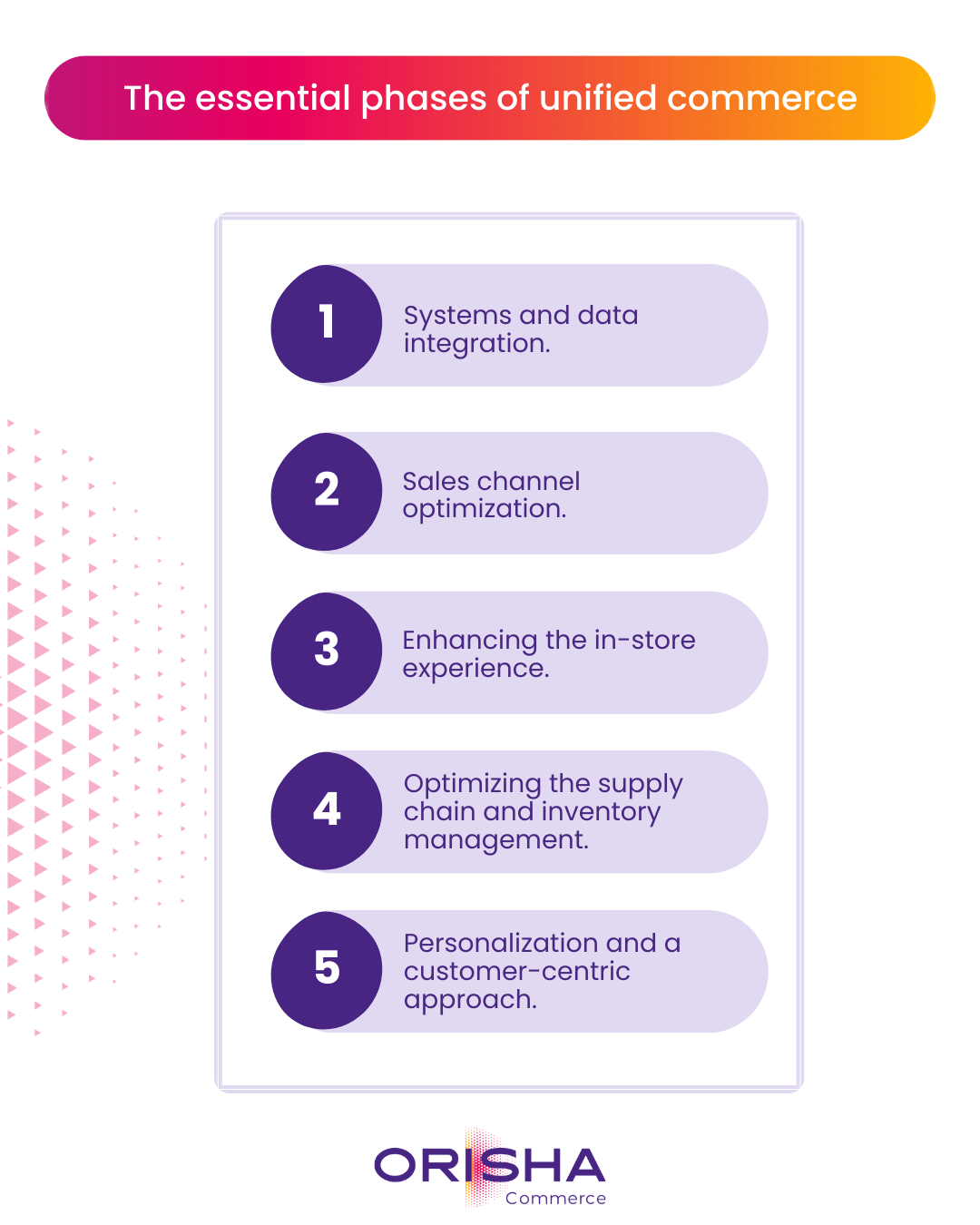
The transition generally involves several key steps:
- Integration of systems and data.
- Optimization of sales channels.
- Improvement of the in-store experience.
- Optimization of the supply chain and inventory management.
- Personalization and a “customer-centric” approach.
However, every company and every project is unique. You should adapt your roadmap according to the specifics of your market and clientele.
Backed by its expertise, Orisha Commerce supports retail leaders in this transition.
Success in unified commerce relies on solid expertise in data, logistics, and digitization. It also implies high-performance inventory management and real-time tracking, two dimensions often difficult to master internally.

Our tips for making the right choice
Prioritize a scalable, modular solution adapted to your sector’s specifics.
Ensure you benefit from personalized support and quality customer service to secure your transition and guarantee its longevity.
Chapter 4: Data centralization and unification
1. Unified commerce and system centralization
Unified commerce serves as the indispensable technical foundation of a true omnichannel strategy. Whereas traditional systems operate in silos (POS, e-commerce, CRM, inventory), unified commerce utilizes a centralized platform to connect all channels and ensure fluid data circulation.
This centralization brings several major benefits:
- Single Customer View: Consolidated purchase history and interactions across all touchpoints.
- Real-time Management: Stocks, prices, promotions, and orders managed in a unified manner.
- Homogeneous Experience: Consistency of purchasing journeys, whether the client starts online and finishes in-store, or vice versa.
For CIOs and IT managers, unified commerce is more than a management tool; it is a strategic infrastructure that guarantees flexibility and resilience in the face of rapid market changes.
By centralizing systems, retailers gain operational efficiency while laying the foundations for a seamless customer experience, the key to loyalty and competitiveness.
2. The importance of a unified database
When solutions are used in isolation, they generate data silos, often in incompatible formats. This fragmentation obscures the customer journey and necessitates costly, complex integrations.
Precisely, unified commerce relies on a single database, feeding all sales channels: e-commerce, store, marketplace, mobile app, etc. This centralization allows for aggregating, storing, and analyzing all information reliably and in real-time.
The advantages are multiple:
- Automatic updates of stocks, prices, and orders, limiting errors and stockouts while enabling the analysis of all activity-related data.
- Unique data without duplicates, connecting to all IT system tools.
- A consolidated view of customers, products, and sales to pilot the activity with precision.
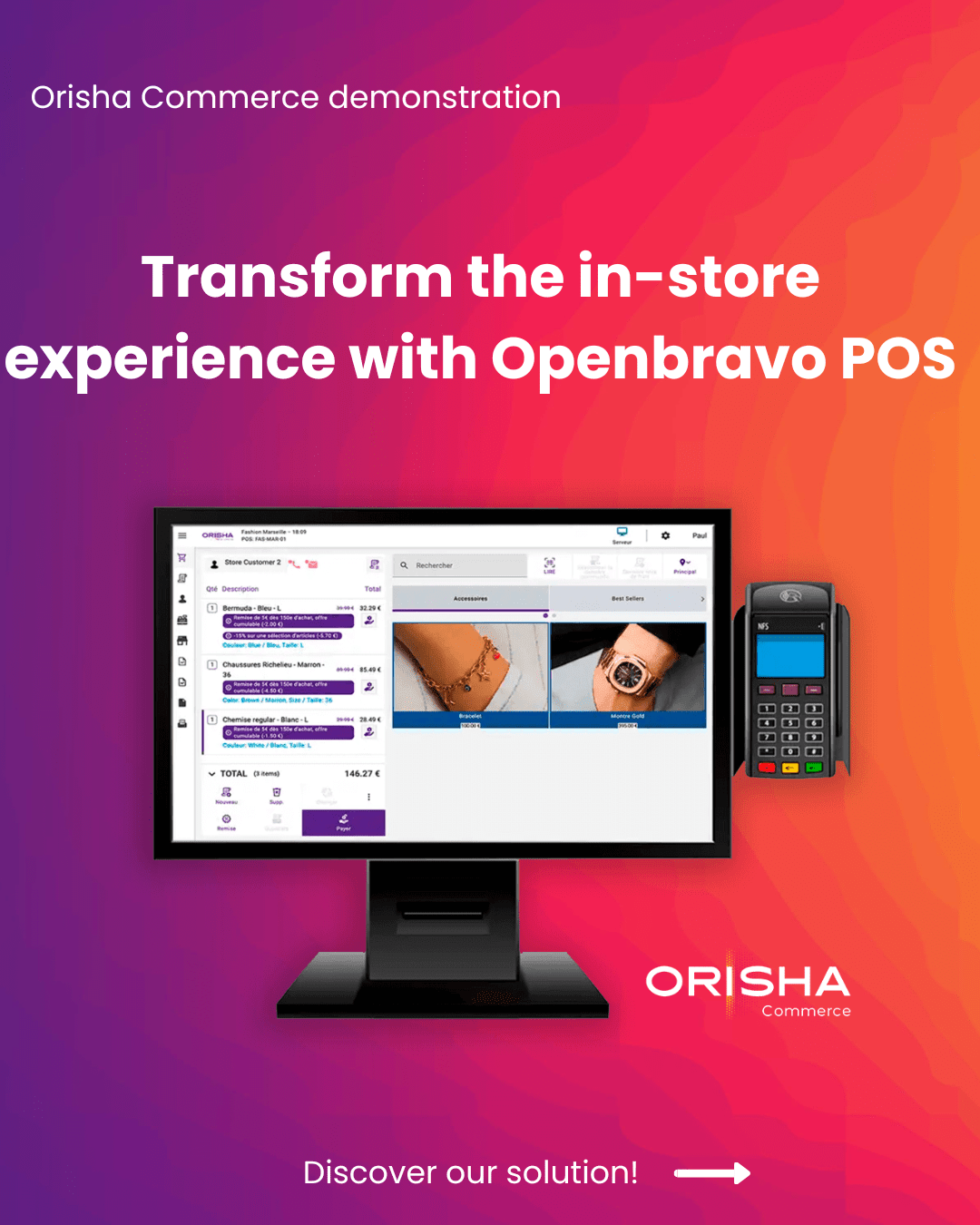
Unified commerce provides a 360-degree customer view by consolidating every interaction with your company into a single, unified profile.
This approach presents three major benefits:
- Better customer knowledge thanks to tracking purchasing behavior, preferences, and individual client value.
- Personalized experience, with recommendations, offers, and rewards adapted in real-time to each client profile.
- Increased operational efficiency, translating into reduced costs for communication and marketing campaigns, thanks to perfectly targeted actions.
By strengthening customer loyalty and engagement, this unified view becomes a true strategic lever for growth.
Stockouts are a major issue for retailers. Beyond the immediate loss of a sale, they can permanently damage brand image and customer loyalty. Consequently, centralized stock management is indispensable for securing sales, and optimizing satisfaction.
Unifying customer, stock, and product data guarantees consistent information across all sales channels and improves operational performance, with several key benefits:
- Knowledge of available stock in real-time, allowing anticipation of restocking and avoidance of shortages.
- Optimization of stock transfers between different points of sale or warehouses, preventing overstocking or shortages.
- Consistent information for salespeople and customers, based on the same data. This avoids frustrations like a product being marked unavailable online when it is physically in stock in-store.
Chapter 5: Customer Experience Redefined by Unified Commerce
1. Phygital experience: fluidity across all channels
“Phygital” perfectly illustrates the evolution toward an omnichannel strategy. It combines the strengths of the physical store proximity, advice, and direct contact with the advantages of digital, such as speed, personalization, and convenience.
Concretely, this translates into hybrid journeys: trying on in-store with the possibility of finalizing the purchase online, using interactive kiosks to check stocks or order a size not available, or mobile notifications to guide the customer toward an in-boutique offer.
A customer can thus start their purchase on one channel and finalize it on another, without friction. Examples include:
- Click & collect: Ordering on the web and picking up in-store.
- E-reservation: Reserving an item online without payment and trying it at the point of sale.
- Ship from store: Transforming points of sale into mini-warehouses to deliver products faster.
- Cross-channel return: Allowing the customer to buy online and return a product in-store (or vice versa).
Beyond the “wow” factor, phygital addresses a clear consumer demand: the desire for a consistent, fluid, and frictionless experience, regardless of the channel.
Integrated into a unified commerce logic, phygital allows retailers to transform their points of sale into true extensions of the digital world, where every interaction enriches customer knowledge and strengthens loyalty.
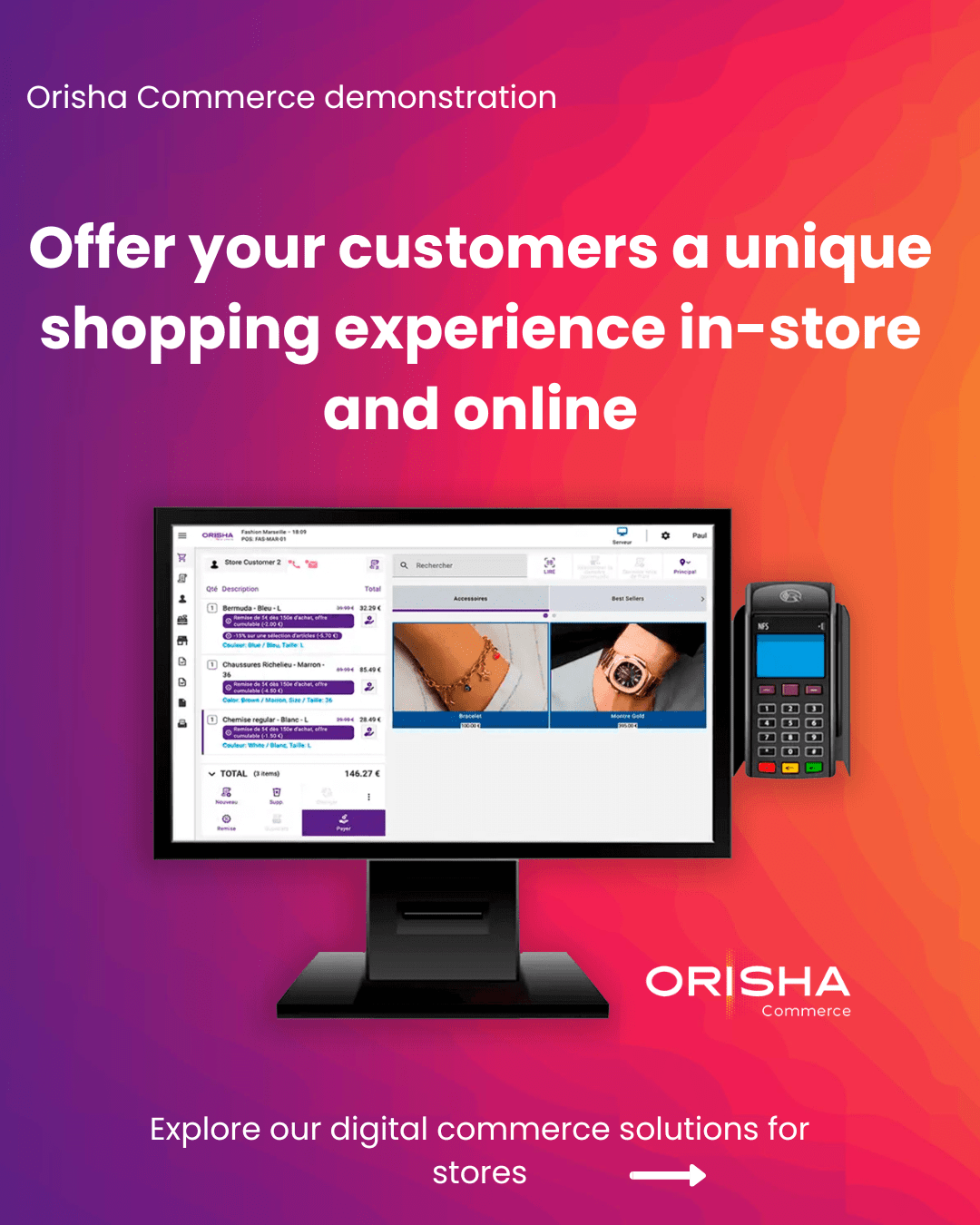
In a retail universe saturated with messages, personalization has become an essential lever to capture attention and create value. Customers no longer expect generic communications; they want offers, recommendations, and experiences that match their real needs.
Unified commerce plays a central role here. By consolidating data from all channels (e-commerce site, store, CRM, email campaigns, social networks), it constructs a 360° view of the customer. This insight fuels highly targeted marketing actions, such as:
- Personalized promotions tailored to individual purchase histories.
- Real-time product recommendations that capture intent.
- Customized journeys optimized for the customer’s preferred channel.
Well-integrated with marketing tools, personalization generates a virtuous circle:
- More interactions between the customer and the brand.
- More data collected.
- More relevant experiences.
- More loyalty.
Ultimately, personalization (and hyper-personalization) improves conversion rates, reduces friction throughout the purchasing journey, and creates a strong emotional bond with the brand. In the long term, a satisfied customer can become a true ambassador.
Today, the physical store is reinventing itself through immersive technologies like Augmented Reality (AR) and Virtual Reality (VR). These innovations transform the customer journey into a playful, engaging, and memorable experience, smoothing the path to purchase while differentiating the brand from competitors.
Augmented reality (AR)
An interface that superimposes virtual elements onto the real world. For example, it allows remote product trials or detailed visualization of features.
Result: Higher engagement, less hesitation, and a reduction in product returns. Furthermore, this technology creates a “wow” effect, highly sought after by brands
Virtual reality (VR)
Goes even further than AR by plunging the consumer into a fully digital universe via a headset and sensors. Brands can thus offer total immersion and create a novel emotional connection with their clients.
VR is also a cost-reduction lever, enabling virtual showrooms rather than physical ones or presenting products without holding stock. For the client, VR makes it possible to discover a product in a simple, interactive, and fun way, inspiring confidence and facilitating the purchase decision.
Orisha Commerce innovates by your side to better anticipate trends.
In the era of unified commerce, a loyalty program is no longer just about points or discounts; it must offer a consistent experience across every channel. Customers expect to be recognized, rewarded, and engaged, not just treated as a transaction.
According to a recent study by Republik Retail
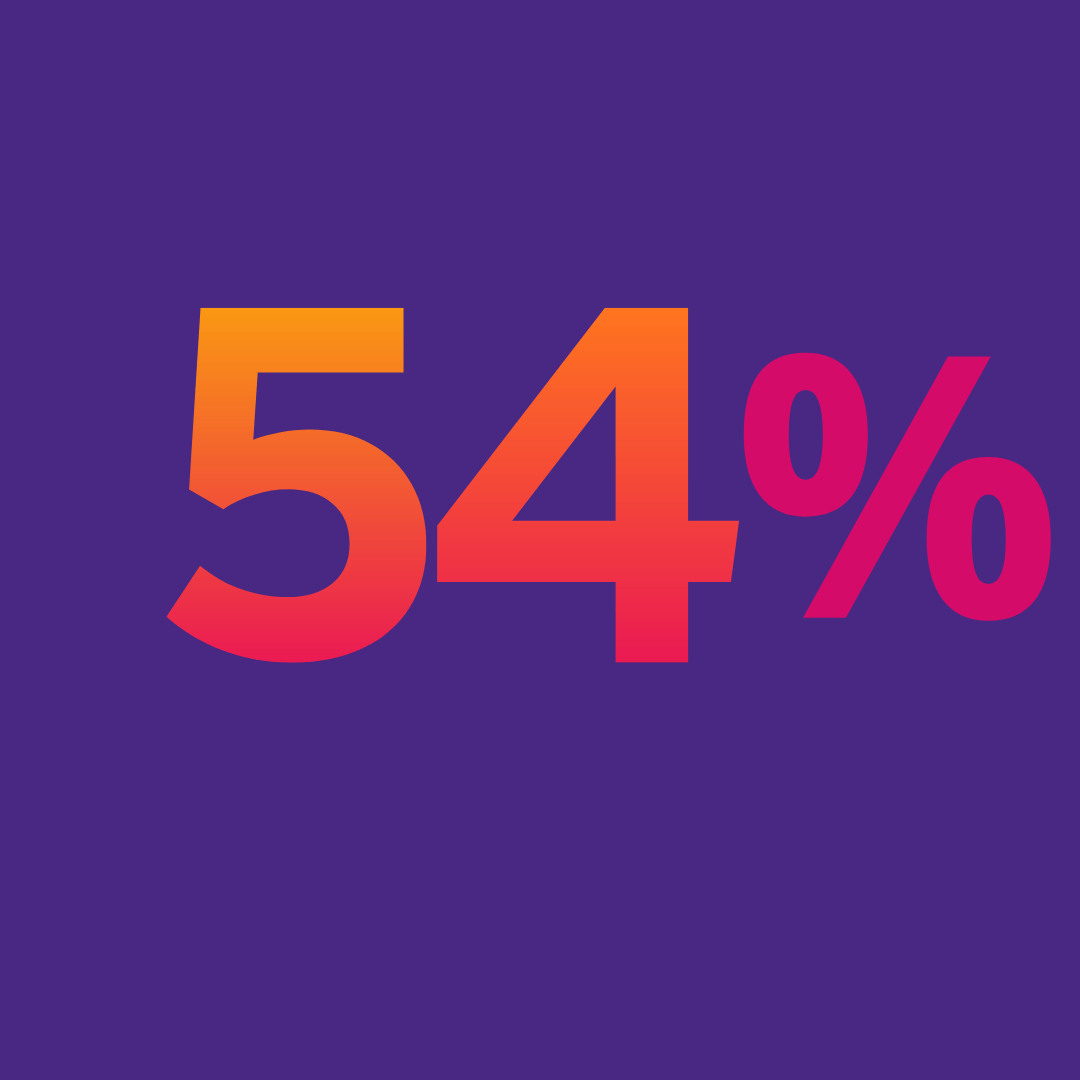
of French consumers declare being more loyal to brands that offer discounts, incentives, or rewards, excellent customer service, and personalized marketing.
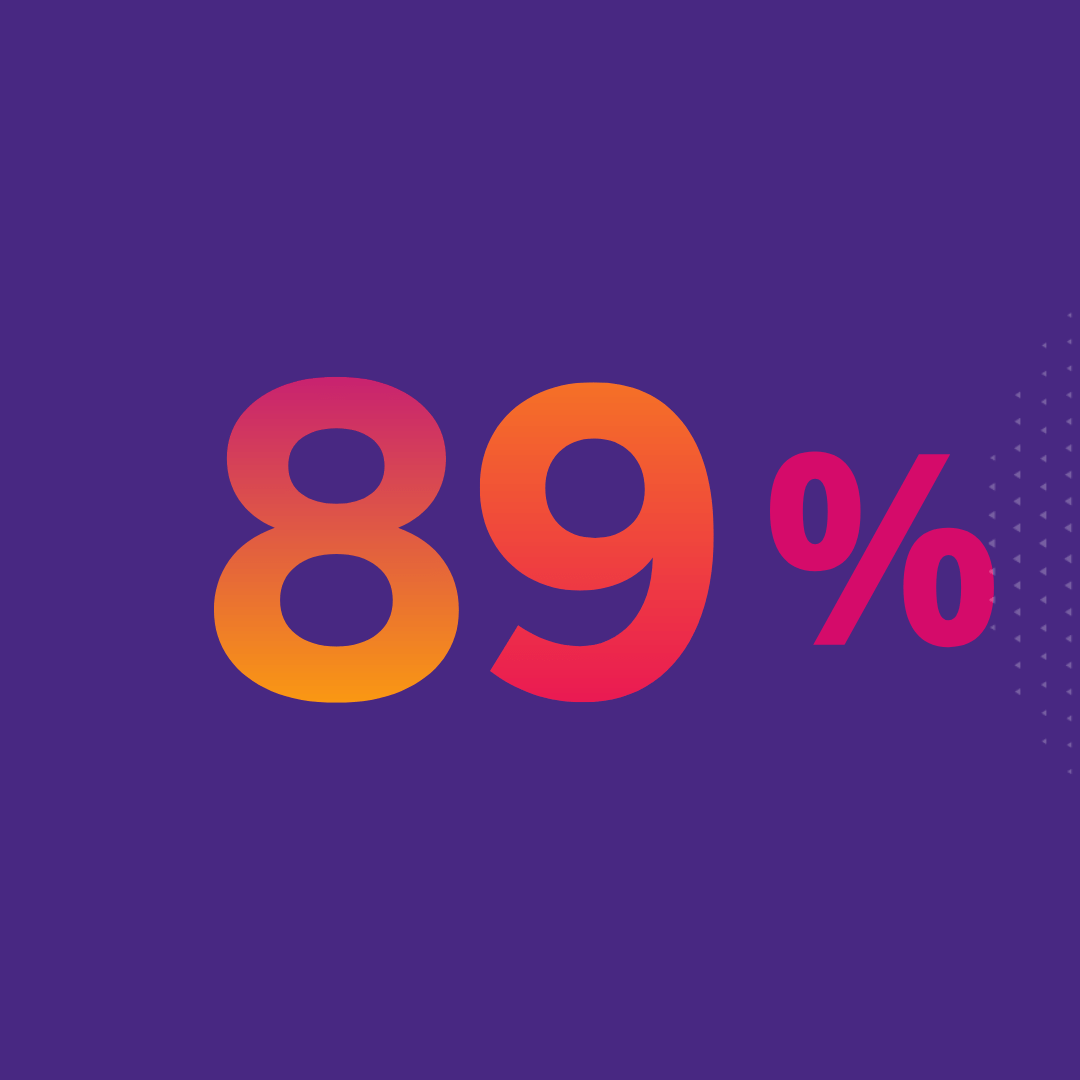 Customer-centric brands deploying omnichannel efforts see very high loyalty/retention rates up to 89% in some cases, compared to ~33% for those with weak omnichannel engagement.
High-performing loyalty programs generate a high Return on Investment (ROI): in e-commerce, those that are well-segmented and personalized can increase turnover by
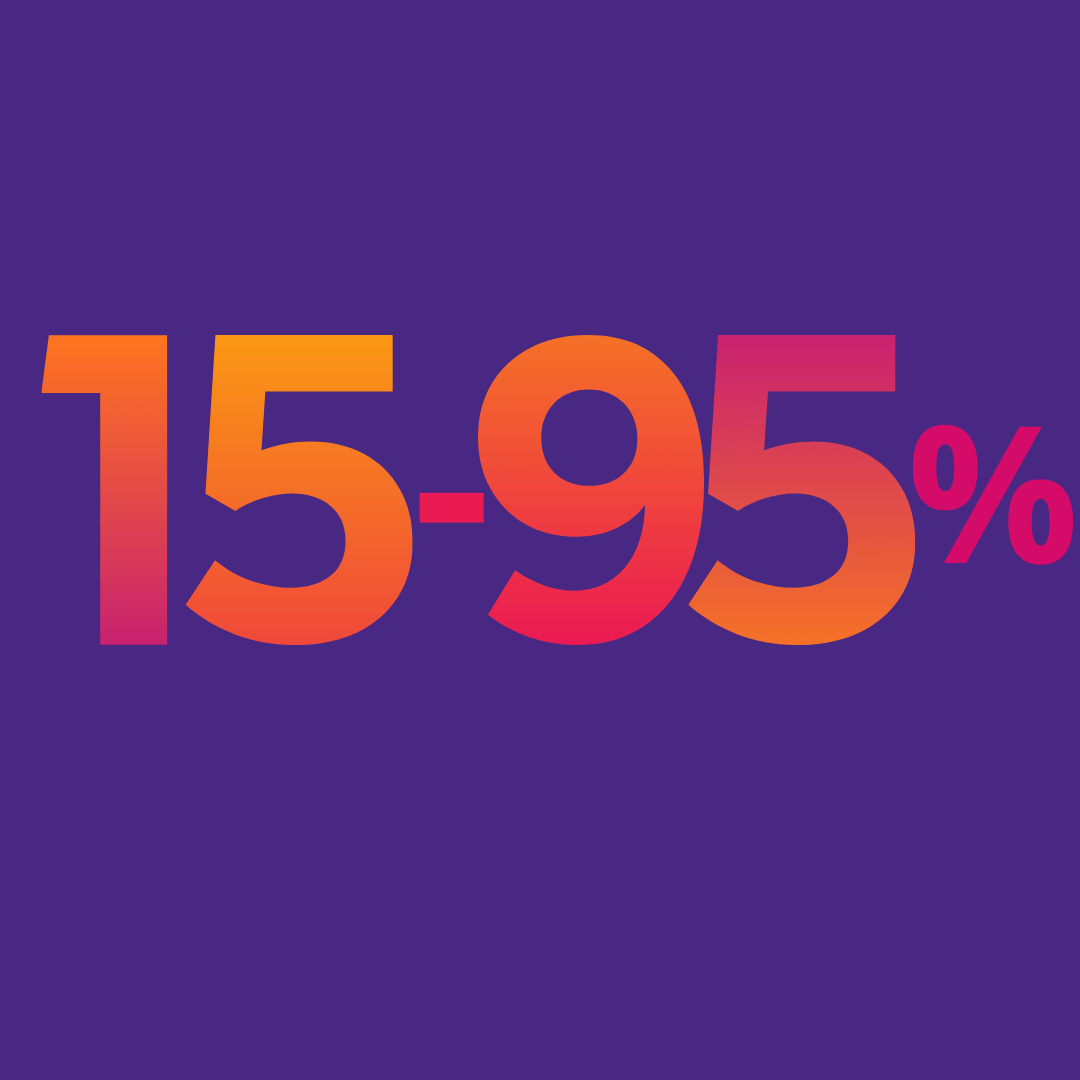 per year.
A simple 5% gain in customer retention rate can increase profits by
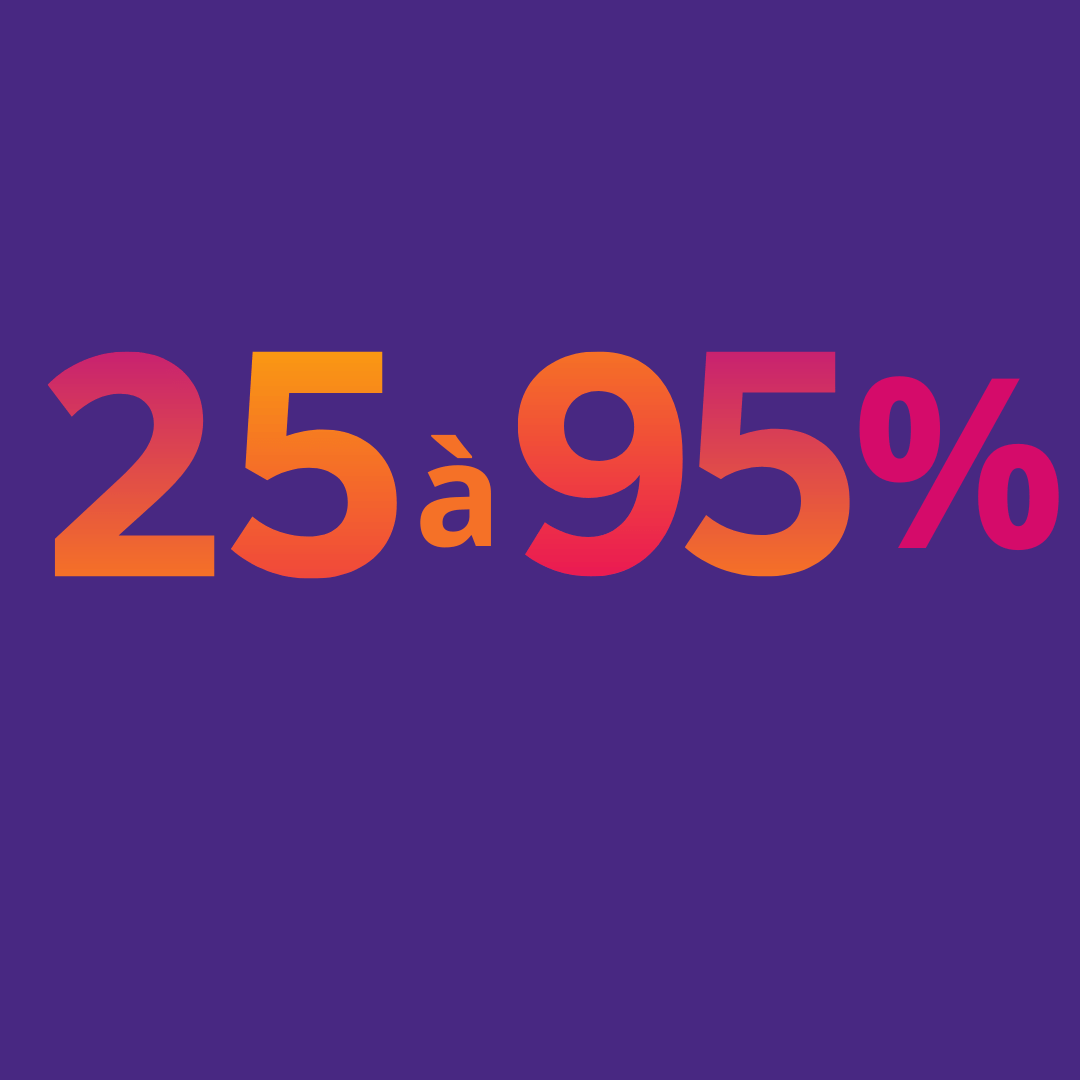
depending on the sector and the maturity of the omnichannel strategy.
Thanks to customer data analysis, it is possible to propose offers, content, and recommendations perfectly adapted to the preferences and behaviors of each individual.
With advanced personalization, brands can go far beyond simple recommendations: they create interactions that truly resonate with customer expectations.
Our tips for making the right choice
Tools and Best Practices to Integrate:
- Tiered programs & differentiated rewards based on multi-channel behavior.
- Recognition of purchases or interactions offline (in-store) and online: same profile, same benefits.
- Using data to personalize rewards: birthday offers, exclusive goodies, recommended content, loyalty bonuses based on purchase frequency.
- Automation & CRM/marketing automation tools that unify customer data (online + offline) for relevant follow-ups, reminders, and personalized tracking.
These approaches not only reduce attrition but also increase Customer Lifetime Value (CLV), strengthen brand attachment, and generate positive word-of-mouth.
Key insights
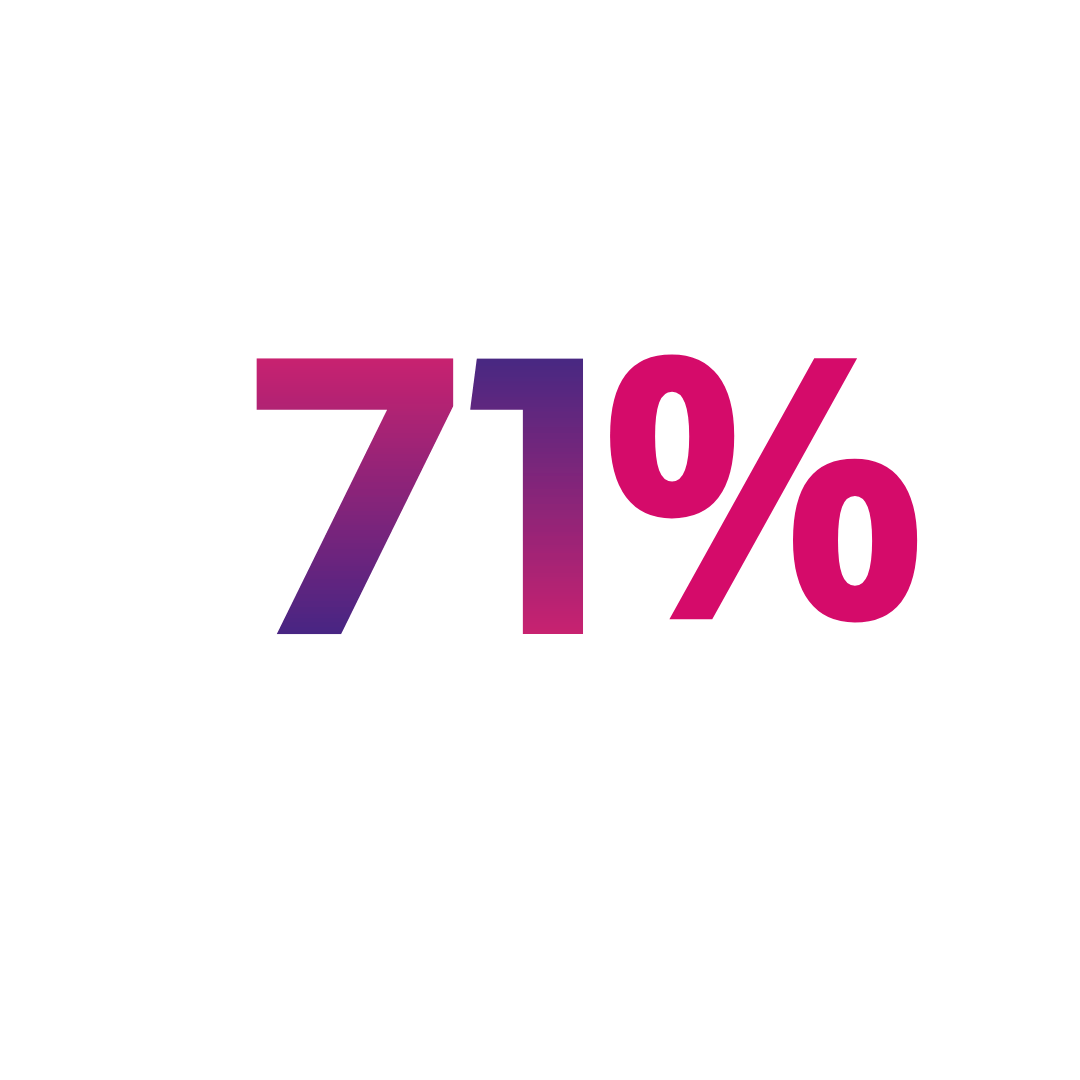 of consumers expect personalized experiences. When they don’t get them, 76% feel frustration. (McKinsey & Company)
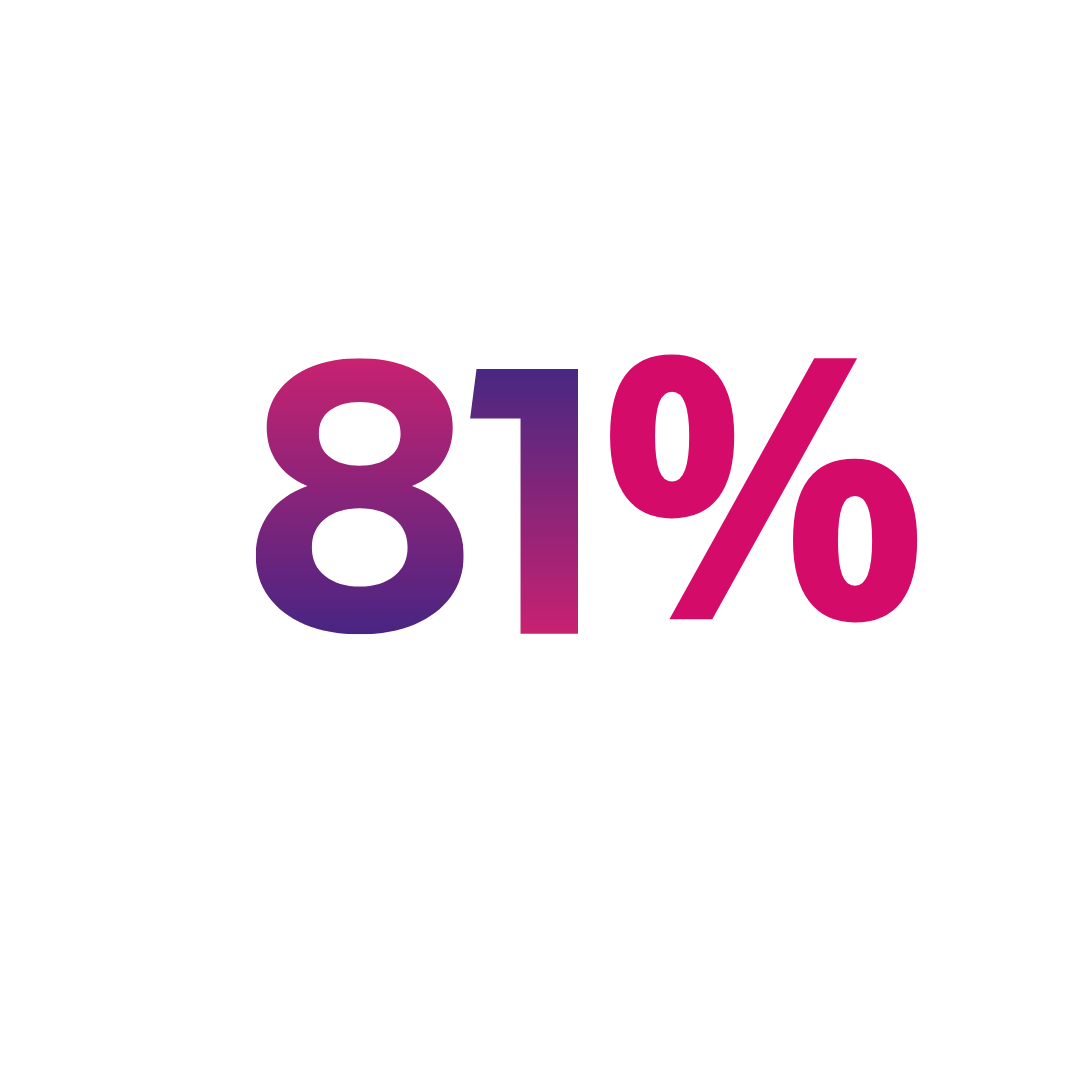 Untailored messages are largely ignored: 81% of consumers say they ignore marketing communications that do not concern them. (attentive.com)
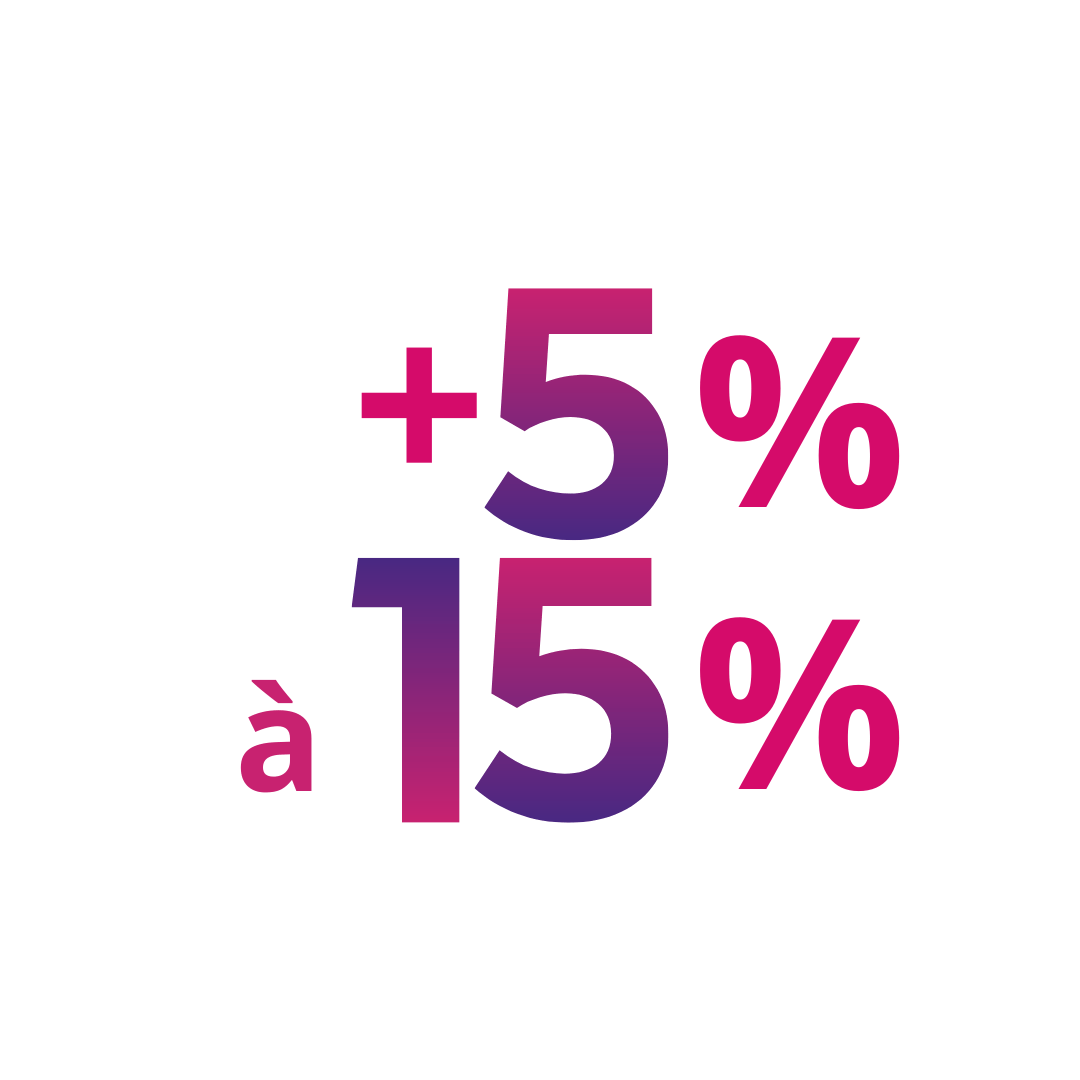 Conversely, well-executed personalization can lead to a revenue increase of +5 to +15%, depending on the sector. (McKinsey & Company / Shopify)
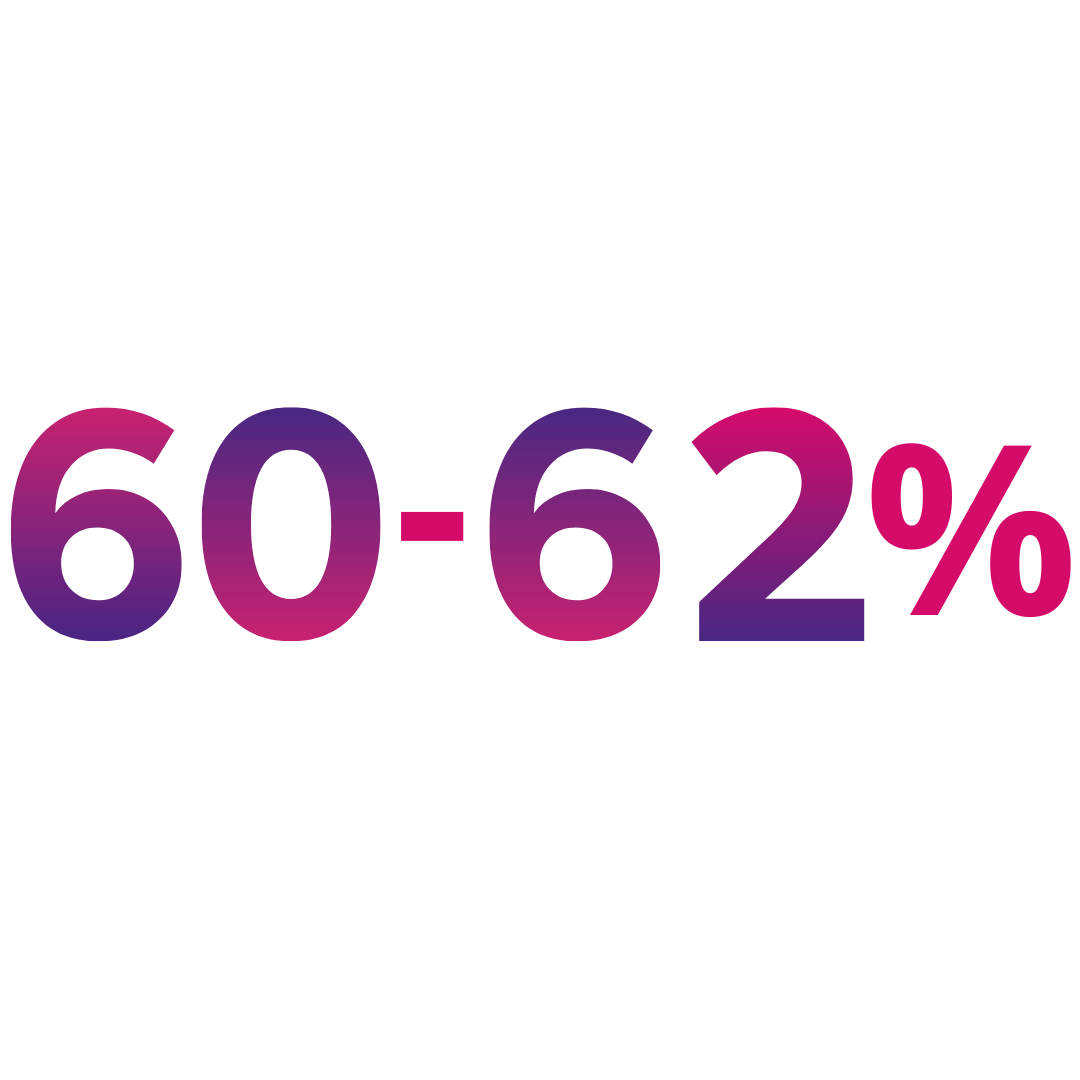
of consumers say they would buy again from a brand after having a personalized experience. (contentful.com)
In summary, marketing personalization is no longer a “bonus”; it is a strategic lever for conversion, engagement, and loyalty. In the context of unified commerce, clienteling (personalized in-store service) fits perfectly into this dynamic. By capitalizing on browsing data, purchase history, and online interactions, the brand can offer a truly individualized experience, often making the difference between an occasional customer and an ambassador.
By meeting this need, you strengthen engagement and loyalty at every stage of the journey:
- Discovery phase: Product and content recommendations capture attention based on browsing data.
- Evaluation phase: Intelligent suggestions and ultra-targeted offers facilitate the purchase decision.
- Purchase moment: A personalized approach reinforces the feeling of being recognized, favoring conversion.
- Post-purchase: Personalized interactions transform every exchange into a loyalty opportunity.
Chapter 6: Inventory and order management: more efficient than ever
Unified commerce offers complete, real-time visibility of your inventory. This allows you to:
- Anticipate demand.
- Optimize procurement.
- Reduce costs associated with both stockouts and overstocking.
Moreover, centralized inventory management ensures better product distribution between your different sales channels and contributes directly to a successful customer experience.
Inventory management tools tailored to your needs
Make your inventory work for you with Orisha Commerce solutions:
- Openbravo SSMS: An inventory management tool designed for multi-store networks.
- Openbravo WMS: A warehouse inventory management system, offering the best of the cloud and WMS (Warehouse Management System) capabilities.
- Core-suite: An eCommerce platform, sales application, and logistics solutions for retail businesses.
Thanks to unified commerce, orders are managed in a centralized and consistent manner.
You can provide various delivery and collection methods, such as click & collect, ship-from-store, e-reservation, and home delivery, thereby tailoring the experience to meet customer expectations.
In a constantly evolving retail landscape, flexibility is indispensable. Fluid order management notably allows you to:
- Reduce logistics costs by routing orders to the most efficient preparation locations based on business objectives.
- Increase order fulfillment rates thanks to end-to-end automation (from order taking to delivery).
- Optimize preparation by taking into account all available stock in-store or in the warehouse.
- Limit cancellations by guaranteeing rapid and precise order execution.
Automated replenishment is another essential lever for high-performance inventory management, driving efficiency gains and guaranteeing consistent product availability.
This intelligent replenishment system relies on data collected in real-time to:
- Precisely track stock evolution and identify shortage risks.
- Automatically trigger replenishment orders when critical thresholds are reached.
- Adjust quantities based on demand.
By combining historical data, consumption trends, and predictive algorithms, this system calculates the exact quantities to order and optimizes delivery times. Ultimately, this leads to controlled costs, better anticipation, and reinforced customer satisfaction.
Chapter 7: Which Technologies Support Unified Commerce?
The success of a unified commerce strategy hinges on technological tools capable of centralizing, connecting, and streamlining your operations. While several solutions exist, each offers specific advantages.
An integrated management system covering all company processes (finance, purchasing, logistics, inventory, HR). It centralizes all data in a single base, favoring traceability and automating business processes.
Centered on customer relations, this tool gathers all client-related information to better understand their needs, track sales, manage opportunities, and offer better support. It is the reference tool for personalization and loyalty.
While an ERP covers global operational management, a CRM focuses on customer development and retention. They can function separately, but integrating these two tools is far more advantageous, as it eliminates data silos and improves inter-departmental coordination.
To combine the best of ERP and CRM, it is also possible to opt for a platform entirely dedicated to unified commerce. This type of solution centralizes all commercial activities (physical stores, e-commerce, apps, marketplaces) in a single environment and synchronizes key data (stock, transactions, profiles) in real-time.
The success of unified commerce relies on effective communication between different systems. This highlights the value of APIs and connectors, which serve as gateways between distinct applications.
Their advantages are numerous:
- Automatic data exchange in a standardized format (no manual re-entry).
- Integration between software not initially designed to communicate (e.g., an e-commerce platform connected to logistics/accounting).
- Secure data integration with access control mechanisms.
- Limiting risks of manual entry errors or data duplication.
- Easy addition of new applications to an existing system.
Thus, retail companies can benefit from real-time data management. From stocks to payments to sales, every update is transmitted instantly to all relevant systems. The result is better reactivity, improved anticipation of shortages, and total continuity of operations.
For these reasons, it is preferable to choose a platform with an open and flexible architecture, allowing you to exploit the full potential of connectors and APIs.
Gain agility and accelerate innovation
In your unified commerce operations, thanks to a flexible, scalable, and secure technology framework
What are the basic principles of a “composable” architecture for unified commerce?
Effectively decoupling the front-end from the back-end is essential to create a user interface that relies on APIs from various sources. It is necessary to have intermediate APIs—closer to the business logic—that can call more granular, lower-level APIs within the technical layers. This ensures the ability to use different APIs in the underlying layers, originating from different ERP or POS systems, without impacting the interfaces or functionality.

Cloud Software Manager, Orisha Commerce France
Many companies today favor SaaS (Software as a Service) solutions, which are particularly well-suited to unified commerce. Hosted in the cloud, they offer unmatched flexibility and scalability.
They distinguish themselves by:
- Scalability: Evolving easily with the company’s growth.
- Flexibility: Rapid adaptation to market changes.
- Automatic updates: Permanent access to the latest features and security.
- Reduced infrastructure costs: No need for heavy internal server investment.
SaaS solutions optimized for unified commerce
Orisha Commerce offers SaaS solutions for retail, covering the entire scope:
- Back-office retail,
- In-store inventory management,
- Store preparation,
- Order Management System (OMS),
- Warehouse Management System (WMS),
- Sales analytics,
- Point of Sale (POS) software.
Chapter 8: Measuring performance through continuous improvement
To evaluate the effectiveness of your unified commerce strategy, defining the right Key Performance Indicators (KPIs) is essential.
Measures the proportion of visitors who actually make a purchase (in-store or online).
|
Conversion Rate = (Number of buyers ÷ Number of visitors) × 100 |
While it primarily reflects the act of purchasing, it can also apply to other actions taken by a customer or prospect: signing up for a loyalty program, downloading content or an application, etc.
The conversion rate is closely linked to the in-store customer experience:
-
Optimized inventory management ensures the availability of requested products.
-
An efficient sales floor layout (in the case of a physical store) encourages the act of purchase.
-
Finally, training teams at the point of sale is essential to develop their expertise and build a trusted relationship with the clientele.
Measures the likelihood of a customer recommending a brand.
|
NPS =Percentage of promoters -Percentage of detractors |
An NPS greater than 0 can be considered good, as it means there are more promoters than detractors. However, the interpretation of the score can vary from one industry to another: in retail, for example, the average NPS is 41.
Profitability corresponds to the difference between revenue generated and costs incurred.
|
Profitability =Revenue – Fixed Costs – Variable Costs |
The break-even point indicates the minimum revenue to be achieved to incur neither loss nor profit.
|
Break-even point = Annual Fixed Costs ÷ Variable Cost Margin Rate |
The variable cost margin, meanwhile, is obtained by subtracting variable expenses from revenue.
All essential formulas
Real-time monitoring enables immediate reaction to events. Thanks to personalized dashboards and configurable alerts, you stay informed of your key indicators and can adjust your strategy with confidence.
With a unified commerce platform, you can:
- Access a wide range of reports.
- Automate data extraction via standardized ETL processes.
- Visualize and master your KPIs via intuitive dashboards.
Unified commerce is built on a foundation of continuous improvement. Regularly analyzing results, identifying areas for enhancement, and deploying corrective actions are essential steps in delivering an increasingly seamless customer experience.
In a landscape where customer interactions are multiplying across various channels, precisely measuring the effectiveness of your strategy is indispensable. A centralized platform consolidates data from all channels, making it easier to identify trends, anomalies, and opportunities for optimization.
Consequently, regular performance analysis drives strategic adjustments. For instance, if a specific channel shows a lower-than-expected conversion rate, it is crucial to investigate the root causes—such as UX, product availability, or customer support—and implement relevant corrective actions.
This iterative approach requires true organizational agility, as it involves rapidly testing new hypotheses and measuring their impact in real time.
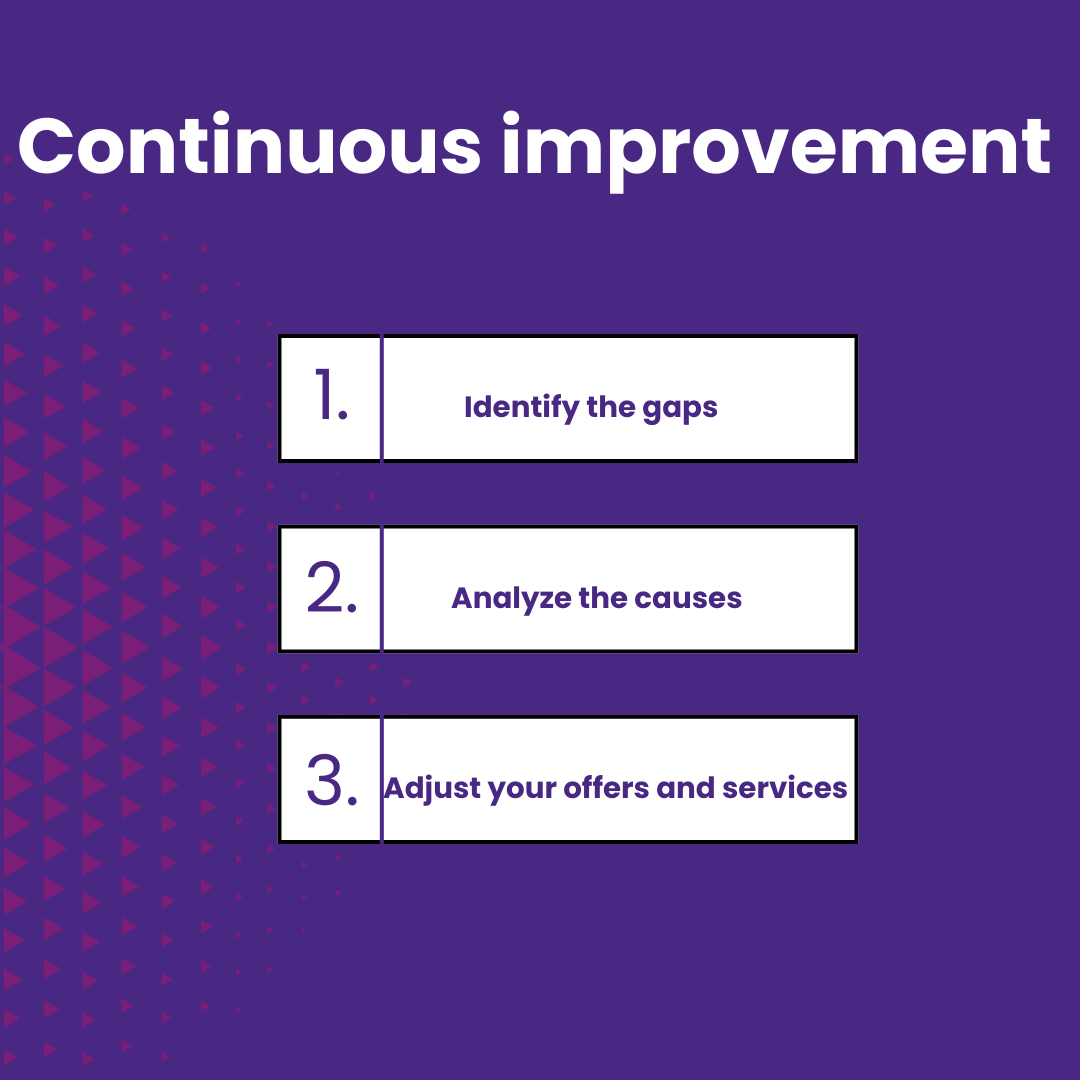
The continuous improvement approach in 3 steps
-
- Identify gaps: Compare data to objectives.
- Analyze causes: Determine the origin (price, service, availability).
- Adjust offers and services: Implement corrective actions.
Chapter 9: Unified commerce: secrets to success
An example is worth a thousand words: to succeed in your unified commerce transformation project, draw inspiration from the winning strategies implemented by retail leaders.

The context
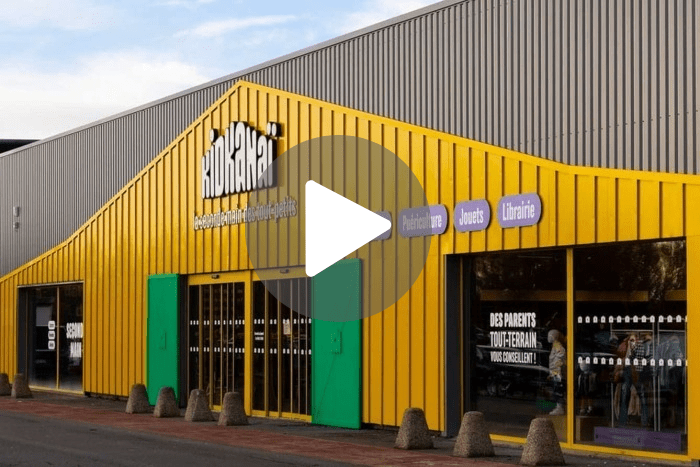
The Kiabi group is developing a 1,300 m² concept store dedicated to second-hand items for children and babies, following a ReCommerce approach.
With Kidkanaï, families can easily estimate the value of their items via a mobile app, then drop them off in-store for resale. Second-hand Kiabi products are also available in the shop.
The implemented solution
To manage its checkout and inventory, Kidkanaï selected the Openbravo Commerce Cloud solution, perfectly adapted to the specific needs of its business. To optimize the customer journey, the company also integrated fixed, mobile POS, and dedicated second-hand registers.
The results obtained
Beyond the facilitated management of second-hand items, the deployed solutions allowed Kidkanaï to:
-
Integrate its application with its POS system.
-
Connect with the Kiabi group’s accounting interface.
-
Buy from both private individuals and professional suppliers.

The context
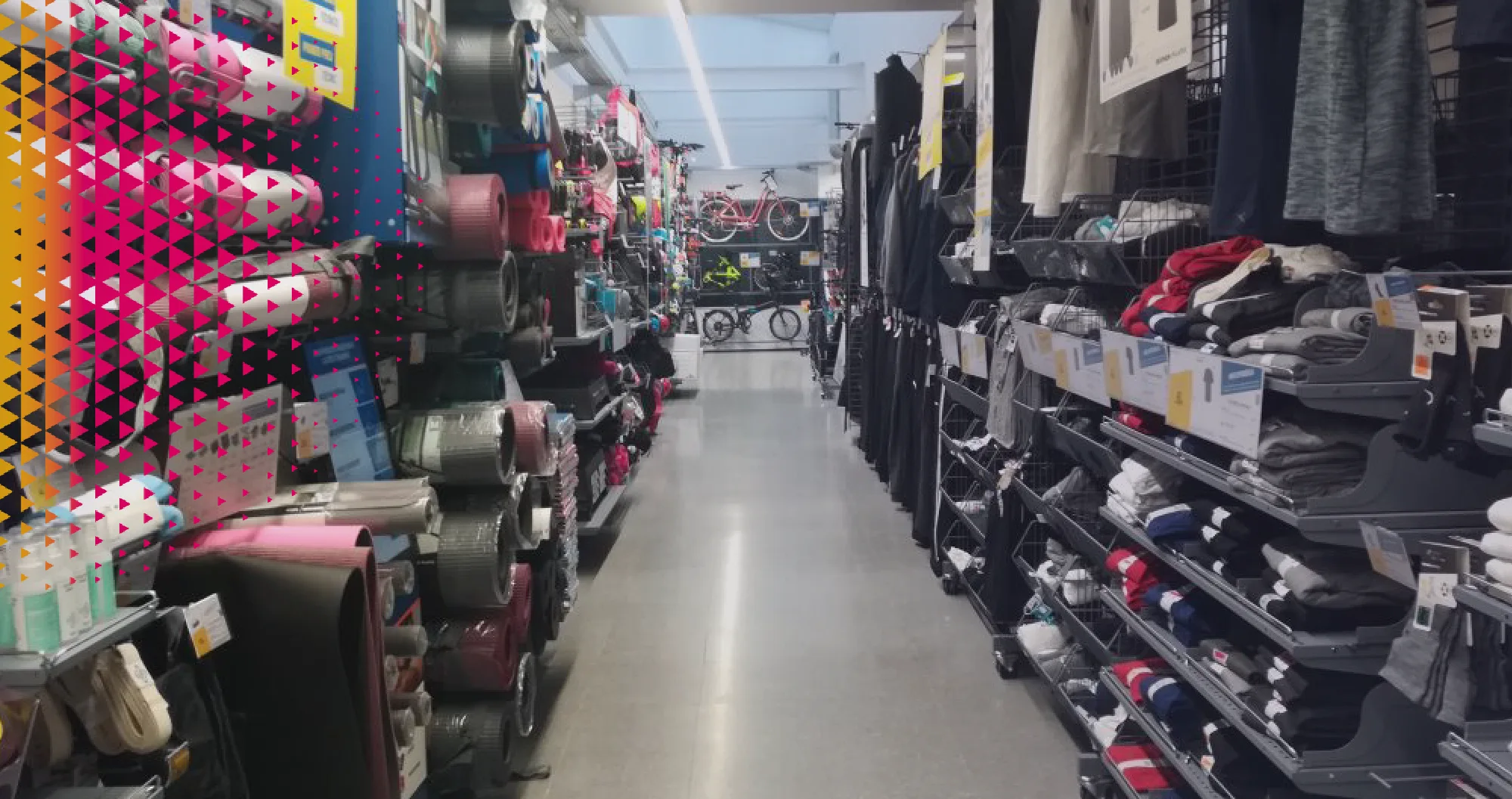
Decathlon is rolling out a new network of stores in India before expanding into other countries: China, Hong Kong, Vietnam, the Philippines, Indonesia, Australia…
The implemented solution
Decathlon turned to Openbravo POS, a fast and easy-to-deploy point of sale (POS) solution capable of integrating with the company’s existing systems and adapting to the specificities of each country. Today, the software is used in 60 Decathlon stores across India.
The results obtained
Thanks to its flexibility, Openbravo enabled faster in-store innovation, including the adoption of new technologies such as RFID, mobile payments, and self-checkout. The result: a differentiated shopping experience for customers.
Moving to the Cloud simplified multi-store IT management. This accelerated the opening of new stores while reducing the effort and costs associated with maintaining points of sale.
Finally, Openbravo’s modular architecture made it possible to support specific business requirements, such as integration with the SAP system, eCommerce, or Decathlon’s loyalty platform.

The context
The retailer But sought to simplify its IT infrastructure and gain agility and flexibility to improve the shopping experience, while supporting sales growth both in-store and online.
The implemented solution
But opted for Openbravo, which provides comprehensive point of sale functionality adapted to various in-store scenarios. The Mobile POS solution helps sales associates assist customers more effectively using mobile devices.
Openbravo’s integration also enabled a diversification of delivery options and payment methods for customers. Finally, the order preparation process can be easily managed from mobile devices.
The results obtained
Deployed in over 300 stores, the solution has significantly strengthened in-store customer service, from order entry to product returns and customer assistance.
Thanks to effective omnichannel support, points of sale can now serve as order fulfillment centers, ensuring faster preparation.
Finally, Openbravo’s unique architecture allows for the faster deployment of new products and promotions, including across multiple stores simultaneously.


The context
Experiencing rapid international growth, Deporvillage needed greater agility and omnichannel capabilities, as well as increased visibility and efficiency in its operations.
The implemented solution
Deporvillage partnered with Orisha Commerce to deploy a unified platform encompassing the management of eCommerce and store operations. The solution also supports several key processes related to purchasing, invoicing, sales, and logistics.
Additionally, Openbravo provided comprehensive in-store functionalities: sales, returns / refunds, inventory management and replenishment, pricing management, discounts and promotions management, and a flexible checkout process.
The results obtained
With this unified commerce solution, Deporvillage now has a single view to manage its stores and eCommerce site. By significantly reducing IT complexity in stores, the retailer has also been able to introduce greater agility and innovation at the point of sale.
Real-time stock visibility has also helped reduce stockouts and shipping incidents, resulting in a superior customer experience. Finally, the platform’s flexibility has enabled the optimization of purchasing and storage costs.

Discover all our case studies by industry:
Retail is in a constant state of evolution. Already today, emerging technologies like Augmented Reality (AR) and Virtual Reality (VR) are transforming the customer experience, making it more interactive and engaging.
Simultaneously, rising environmental awareness is pushing retailers to adopt more transparent and responsible models. In this context, data centralization becomes a crucial lever to:
-
Optimize inventory management.
-
Adjust production and distribution based on real demand.
-
Facilitate the implementation of circular economy practices, such as selling refurbished products or recycling.
Contrary to popular belief, the physical point of sale is not disappearing. On the contrary, it is reinventing itself as a Phygital space, combining online and in-store experiences. The integration of real-time data and advanced analytics enables retailers to deliver increasingly relevant experiences.
To remain competitive in the long term, it is essential to build a flexible and scalable strategy capable of adapting to market transformations and shifting consumer expectations. In this context, relying on agile and modular solutions constitutes a genuine competitive advantage.
The Orisha Commerce Retail SaaS platform is built on this very premise: highly scalable, it allows retailers to progressively integrate new functionalities in line with their growth and market trends.
Pitfalls to avoid
Implementing a unified commerce strategy is a major undertaking. To maximize your chances of success, it is essential to anticipate challenges and learn from the most common mistakes. By implementing preventive measures, you reduce risks and create the optimal conditions for successful adoption.
Conclusion: Your roadmap to success
The success of a unified commerce project relies on three key steps:
- Analysis of the existing situation.
- Creation of a roadmap (short and long term).
- Choice of reliable technological partners.
Choosing a platform specifically designed for unified commerce is indispensable, but it is only the beginning. Indeed, team buy-in for the new solution is a non-negotiable prerequisite for the project’s success. It is sometimes difficult to take the leap, hence the interest in being well-accompanied.
With Orisha Commerce, choose much more than just software:
- Leverage deep functional and technical product knowledge.
- Benefit from true retail expertise.
- Benefit from our know-how for implementation.
Orisha Commerce Solutions
Orisha Commerce supports you with powerful and scalable SaaS solutions, tailored for unified commerce.
Store & E-commerce
Offer a seamless experience and a unified journey to both your customers and teams across all touchpoints (online and in-store), from product discovery to purchase and use.
Loyalty & Customer
Identify your customers’ preferences, personalize their shopping experiences, and build loyalty to foster lasting relationships that drive growth.
Order Management
Improve your operations with optimized order management: fewer errors, greater efficiency, and strengthened customer satisfaction.
Inventory Management
Maintain accurate stock accuracy, simplify management tasks, and optimize your processes to make your unified commerce more high-performing and profitable.
Product Management
Meet your customers’ expectations and grow your revenue by offering the right products and services, while optimizing your merchandising to boost profitability.
Reporting & Analytics
Harness the power of data to make informed strategic decisions, improve the customer experience, and accelerate your growth against the competition.
Recommerce
Develop a sustainable and profitable offer through second-hand, repair, and rental services. Attract a clientele sensitive to the circular economy while generating new revenue streams.
Trading & B2B
Increase revenue and margins in your B2B commerce and wholesale operations through adapted pricing management strategies, improve your processes, and leverage your data in real-time.
Franchise
Add value to your network by simplifying and strengthening the management of your franchisor and franchisee activities, ensuring rapid growth and high profitability.